
Suwanee Furnace Repair Tricks for Maximum Energy Savings

Keeping your furnace efficient is essential for Suwanee homeowners who want lower energy bills and steady indoor comfort. This article outlines practical repair and maintenance approaches that preserve efficiency and reduce operating costs. You’ll learn key maintenance actions, how often to schedule professional tune-ups, targeted repair methods, and the warning signs that mean your furnace needs attention. We also explain how local HVAC professionals, including “Suwanee Mechanical” , can help optimize your system for better energy performance.
How Can Regular Furnace Maintenance Improve Energy Efficiency in Suwanee Homes?
Regular maintenance keeps a furnace running at its designed efficiency. Routine inspections catch small problems early, reduce the chance of breakdowns, and help the system use less energy. A maintained furnace delivers more consistent heat, lowers utility costs, and reduces the likelihood of costly replacements.
Knowing how a new furnace’s efficiency can decline over time helps homeowners plan maintenance and repairs to protect energy savings.
Gas Furnace Efficiency & Degradation Over Time
Summarizes the steady-state efficiency of gas furnaces, noting that new models have rated efficiencies and that performance can decline over time; unlike oil units, gas furnaces do not accumulate soot in the same way.
Energy conservation in home furnaces, 1979
Suwanee Mechanical provides HVAC repair and maintenance services designed to preserve efficiency. Their local knowledge lets them recommend repairs and tune-ups that match a home’s specific heating requirements.
What Are the Essential Furnace Maintenance Tips for Optimal Performance?
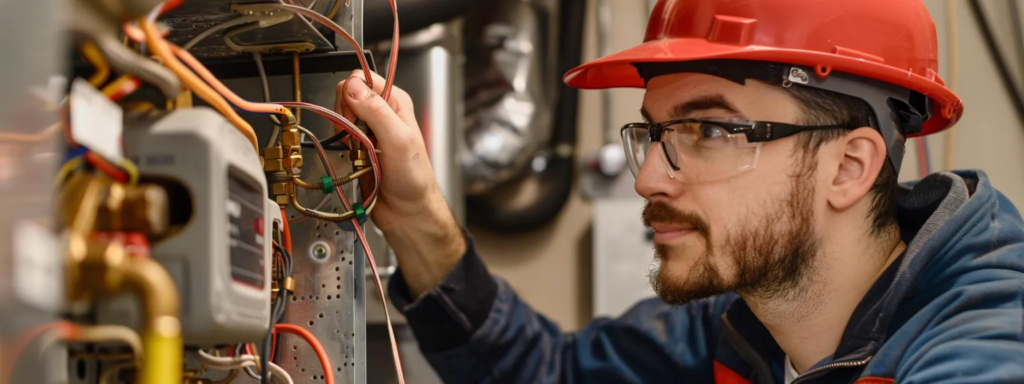
Follow a few basic maintenance practices to keep your furnace efficient and reliable.
- Schedule Annual Tune-Ups : Regular professional inspections can identify and resolve issues before they lead to significant problems.
- Change Air Filters Regularly : Clogged filters restrict airflow, making the furnace work harder and consume more energy.
- Clean Furnace Components : Dust and debris can accumulate in the furnace, reducing efficiency. Regular cleaning helps maintain airflow and performance.
Applying these basic steps improves system efficiency and produces measurable energy savings over time.
What Energy Efficient Furnace Repair Techniques Save Costs and Reduce Consumption?

Targeted repair techniques reduce heat loss and lower operating costs. Key methods focus on improving airflow, sealing leaks, and replacing outdated parts with efficient alternatives.
- Sealing Duct Leaks : Ensuring that ductwork is properly sealed prevents heated air from escaping, improving overall efficiency.
- Upgrading to Energy-Efficient Parts : Replacing outdated components with energy-efficient models can enhance performance and reduce energy use.
- Regular Inspections : Conducting detailed inspections can identify inefficiencies and allow for timely repairs.
These repairs help your furnace deliver more heat with less fuel, which lowers utility bills and extends equipment life.
Which Repair Methods Enhance Furnace Energy Savings?
Certain repair approaches consistently improve efficiency and reliability.
- Fixing Airflow Problems : Addressing issues such as blocked vents or ducts can improve airflow and efficiency.
- Replacing Faulty Parts : Upgrading worn-out components ensures that the furnace operates smoothly and efficiently.
- Routine Maintenance : Regularly scheduled maintenance helps keep the system in top shape, preventing energy waste.
Using these methods reduces energy waste and supports long-term savings.
How Do Energy Efficiency Upgrades Impact Heating System Performance?
Efficiency upgrades improve comfort while lowering energy use. Technologies like programmable thermostats, higher-efficiency furnaces, and better insulation cut waste and deliver more consistent temperatures. These changes reduce bills and support a more sustainable home.
For homeowners planning larger improvements, best-practice guidance outlines retrofit packages that combine HVAC and building-envelope changes for cost-effective energy savings.
Residential HVAC Retrofit Best Practices for Energy Efficiency
Describes a best-practices guide for residential HVAC retrofits aimed at contractors. It recommends packages of system and envelope changes tailored to climate and construction, including materials, procedures, and equipment. These recommendations are systems-engineered guidelines rather than strict requirements.
Best practices guide for residential HVAC Retrofits, IS Walker, 2003
What Are the Common Signs Your Furnace Needs Repair to Avoid Energy Waste?
Detecting problems early prevents energy waste. Watch for uneven temperatures, odd sounds, and unexplained increases in heating costs.
- Uneven Temperatures : If certain rooms are significantly warmer or cooler than others, it may indicate a problem with the furnace.
- Strange Noises : Unusual sounds, such as banging or rattling, can signal mechanical issues that require attention.
- Rising Energy Bills : A sudden increase in heating costs may suggest that the furnace is working harder than necessary due to inefficiencies.
Acting on these signs quickly can limit energy loss and reduce repair costs.
How to Identify Heating System Troubleshooting Issues Early?
Early detection saves time and money. Regular checks and attention to performance changes help catch problems while they are minor.
- Uneven Heating : Inconsistent temperatures throughout the home can indicate airflow problems or mechanical failures.
- Strange Noises : Unusual sounds from the furnace may suggest that components are malfunctioning.
- Higher Energy Bills : A sudden spike in energy costs can be a red flag for inefficiencies in the heating system.
Stay proactive with inspections and basic upkeep to prevent small issues from becoming major repairs.
When Is It Time to Call a Professional for Furnace Repair in Suwanee?
Call a professional when you notice persistent or worsening symptoms. Trained technicians can diagnose problems safely and restore efficient operation.
- Frequent Cycling : If the furnace turns on and off frequently, it may indicate a problem that needs to be addressed.
- Strange Noises : Unusual sounds can signal mechanical issues that require expert attention.
- Increased Energy Costs : A sudden rise in heating bills may suggest that the furnace is not operating efficiently.
Suwanee Mechanical offers skilled HVAC technicians to diagnose and repair these issues, helping restore efficiency and reliability.
How Do Cost Effective Furnace Repairs Contribute to Long-Term Energy Savings?
Timely, cost-effective repairs restore efficiency and prevent larger failures. Keeping the system tuned and replacing worn parts reduces fuel use, lowers bills, and extends the furnace’s service life.
What Are the Financial Benefits of Regular Furnace Tune-Ups?
Regular tune-ups deliver clear financial returns by keeping systems efficient and avoiding expensive breakdowns.
- Lower Energy Bills : A well-maintained furnace operates more efficiently, leading to reduced energy costs.
- Preventing Costly Breakdowns : Routine inspections can identify potential issues before they result in expensive repairs.
- Extended Lifespan : Regular maintenance helps prolong the life of the furnace, delaying the need for costly replacements.
Scheduling regular tune-ups is a practical investment that reduces operating costs and protects equipment value.
Research on residential furnaces supports the long-term cost-effectiveness of investing in energy-efficient systems and proper maintenance.
Residential Furnace Energy Efficiency & Cost-Effectiveness
Discusses residential furnace and boiler energy-efficiency standards and methods for assessing cost-effectiveness, with a focus on common furnace classes and life-cycle cost analysis.
Life-cycle cost analysis of energy efficiency design options for residential furnaces and boilers, 2006
How Can Local HVAC Incentives and Rebates Support Energy Efficient Repairs?
Local incentives and rebates can lower the upfront cost of energy-efficient repairs and upgrades. Utilities and government programs often offer financial support for qualified equipment and improvements, making efficiency investments more affordable.
Which HVAC Energy Saving Techniques Complement Furnace Repair for Maximum Efficiency?
A combination of repairs and household measures delivers the best results. Maintain equipment, keep filters clean, and consider targeted component upgrades to boost overall system efficiency.
- Regular Maintenance : Consistent upkeep ensures that all components are functioning optimally.
- Cleaning Filters : Keeping air filters clean improves airflow and efficiency.
- Upgrading Components : Investing in high-efficiency parts can enhance overall system performance.
Combining these practices with professional repairs maximizes energy savings and system reliability.
How Does Proper HVAC Installation and Maintenance Enhance Energy Savings?
Correct installation and ongoing maintenance ensure the system operates as designed. Proper sizing, airflow balancing, and routine service reduce energy waste and protect equipment longevity.
What Role Do Customer Service and Free Quotes Play in Choosing Reliable Furnace Repair?
Strong customer service and transparent estimates are key to selecting a dependable repair provider. Clear communication, knowledgeable technicians, and upfront pricing help homeowners make informed choices and avoid surprises when repairs are needed. A trustworthy “HVAC provider” will prioritize both performance and customer satisfaction.
Frequently Asked Questions
What are the benefits of upgrading to a high-efficiency furnace?
Upgrading to a high-efficiency furnace reduces fuel use and lowers utility bills by converting more energy into heat. Many high-efficiency units also qualify for rebates, which can lower the initial cost. These models reduce emissions and are a practical choice for homeowners focused on both savings and environmental impact.
How often should I schedule professional furnace inspections?
Schedule a professional inspection at least once a year, ideally before the heating season. Annual checks let technicians confirm proper airflow, identify worn components, and ensure the system runs safely and efficiently.
Can I perform furnace maintenance myself, or should I hire a professional?
Homeowners can handle basic tasks like changing filters and keeping vents clear. For thorough inspections, repairs, or safety-related work, hire a professional. Technicians have the tools and training to spot hidden issues and follow safety standards.
What should I do if my furnace is making strange noises?
If your furnace makes banging, rattling, or squeaking sounds, shut it off if it’s safe to do so and contact a qualified technician. Unusual noises often indicate mechanical issues that need prompt diagnosis to avoid further damage.
Are there any DIY tips for improving furnace efficiency?
Yes. Change or clean filters regularly, seal visible duct leaks, keep vents unobstructed, and maintain a tidy area around the furnace. Using a programmable thermostat also helps manage heating schedules to reduce energy use.
What are the signs that my furnace needs to be replaced?
Consider replacement if the furnace is older than 15 years, needs frequent repairs, delivers inconsistent heating, causes rising energy bills, produces strange noises, or emits unusual odors or excessive dust. These signs often mean replacement is more cost-effective than repeated repairs.
Conclusion
Effective furnace repair and consistent maintenance are the most reliable ways for Suwanee homeowners to cut energy use and lower heating costs. By acting on warning signs, scheduling regular tune-ups, and using targeted upgrades, you preserve comfort, reduce bills, and extend equipment life. Consult a qualified HVAC professional to develop the right plan for your home.